The Winter Intake Deadline Closes This Week. Here's the Part Everyone Gets Wrong
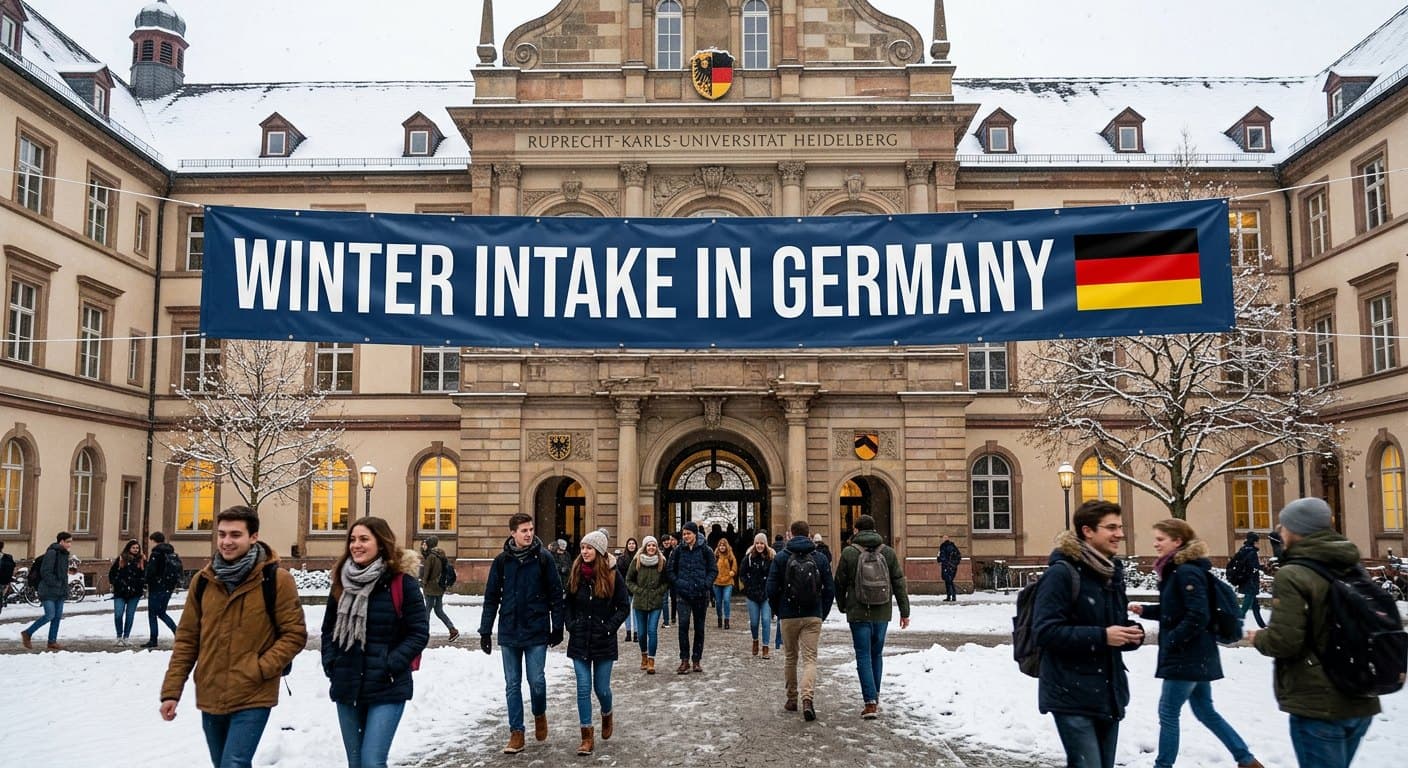
If you're applying for the Winter 2026 intake in Germany, you probably already know the deadline is close. Most universities set their window between May 15 and July 15, which means if you haven't submitted yet, you have days, not weeks.
But the deadline isn't actually where most applications fall apart. It's the language requirement, and specifically, how late people realize what "proof of German" actually means.
The certificate isn't a formality
A lot of applicants treat the language requirement like a checkbox. Take a course, get a certificate, attach the PDF, move on. That works right up until an admissions office or the visa section actually reads what the certificate says.
For German taught programs, universities generally want B2 or C1 depending on the course, shown through one of a specific list: TestDaF, DSH 2, Goethe Zertifikat C1 or B2 (accepted by many though not all schools), or telc Deutsch C1 Hochschule. Some programs still list the Goethe Zertifikat B2 as sufficient. Others want C1 and won't budge. The exact letter matters more than people expect, because the visa office cross checks it against what the program requires, not against what you think is "close enough."
And here's the detail that catches people every single year: certificates expire for this purpose. Most institutions won't accept one older than two years at the time you apply. If you did your B1 exam back in 2023 thinking you'd get to it eventually, that paper may already be dead weight.
The exam slot problem nobody warns you about
Say you check your certificate, realize it's outdated or the wrong level, and decide to sit the exam again. Now you hit the second trap: booking a slot.
Goethe Institut testing centers in India fill up fast, especially in the months right before intake deadlines, because everyone applying for the same Winter or Summer window is scrambling at the same time. It is common to find the next available B2 or C1 slot is three to six weeks out. Results then take another two to four weeks to issue. Add that up and you can lose a month and a half just getting a piece of paper, before you've even touched the rest of your visa file.
If your appointment doesn't clear before the university's deadline, the honest options are limited: apply for the next intake, or push through with what you have and hope the program has flexibility. Neither is a good place to be in July.
If you're on the Ausbildung track, your clock looks different
University applicants aren't the only ones watching a calendar right now. Ausbildung applicants have their own rhythm, usually a strong window from September through November for a start the following August, with a second smaller wave from January through March. If that's your path, the pressure you're feeling this week is smaller than what's coming this autumn, but the language trap is the same one.
Most Ausbildung employers ask for B1, sometimes B2, and unlike university admissions, there's often a person on the other end of an interview who will notice within thirty seconds whether your German is real or memorized. A certificate gets you through the paperwork stage. It won't carry you through a hiring manager asking a follow up question you didn't expect. Treat the exam and the actual speaking practice as two separate goals, not one.
What actually needs to happen this week
If you're mid application right now, here's the order that matters:
- Confirm the exact certificate level and exam body your specific program lists, not a general rule you read somewhere. Programs differ more than people assume.
- Check the issue date on any certificate you already hold. Two years is the rough cutoff most schools apply.
- If you need a new exam and can't get a slot before the deadline, contact the international office directly and ask whether a confirmed exam date (not yet a result) is enough to submit conditionally. Some universities allow this. Many don't advertise it.
- Sort your blocked account in parallel, not after. For 2026 the standard requirement sits at 11,904 euros, and banks need lead time to process the transfer and issue confirmation.
- Once your visa file is in, budget for the wait. Processing commonly runs around 25 days but can stretch closer to three months depending on the consulate and the season. July applications hit the consulate during one of its busiest stretches of the year.
The mistake behind the mistake
None of this is really about paperwork. It's about the assumption that language proof is something to sort out once admission looks likely, rather than something that runs on its own clock, one that doesn't care about your application deadline.
Students who plan around actual fluency, not just the exam date, tend to avoid this scramble entirely. They're not cramming grammar the week before a B2 test. They've been building real comprehension for months, so when the exam slot finally opens up, it's a formality instead of a gamble. That's the gap Germanly was built to close: consistent, structured practice so the certificate reflects language you already have, instead of language you're hoping to fake for one Saturday morning exam.
If you're reading this in the last days of the Winter 2026 window, the deadline itself isn't the thing to panic about. Get the certificate question answered today. Everything else on the checklist moves faster once that one piece is settled.
Start your own German story
A1 to B2 — vocabulary, grammar, real audio and AI feedback. First three lessons free.