Half of Germany's Apprenticeship Seats Went Unfilled in 2025. A New Survey Says German Is Still What Trips Up Candidates From Outside the EU
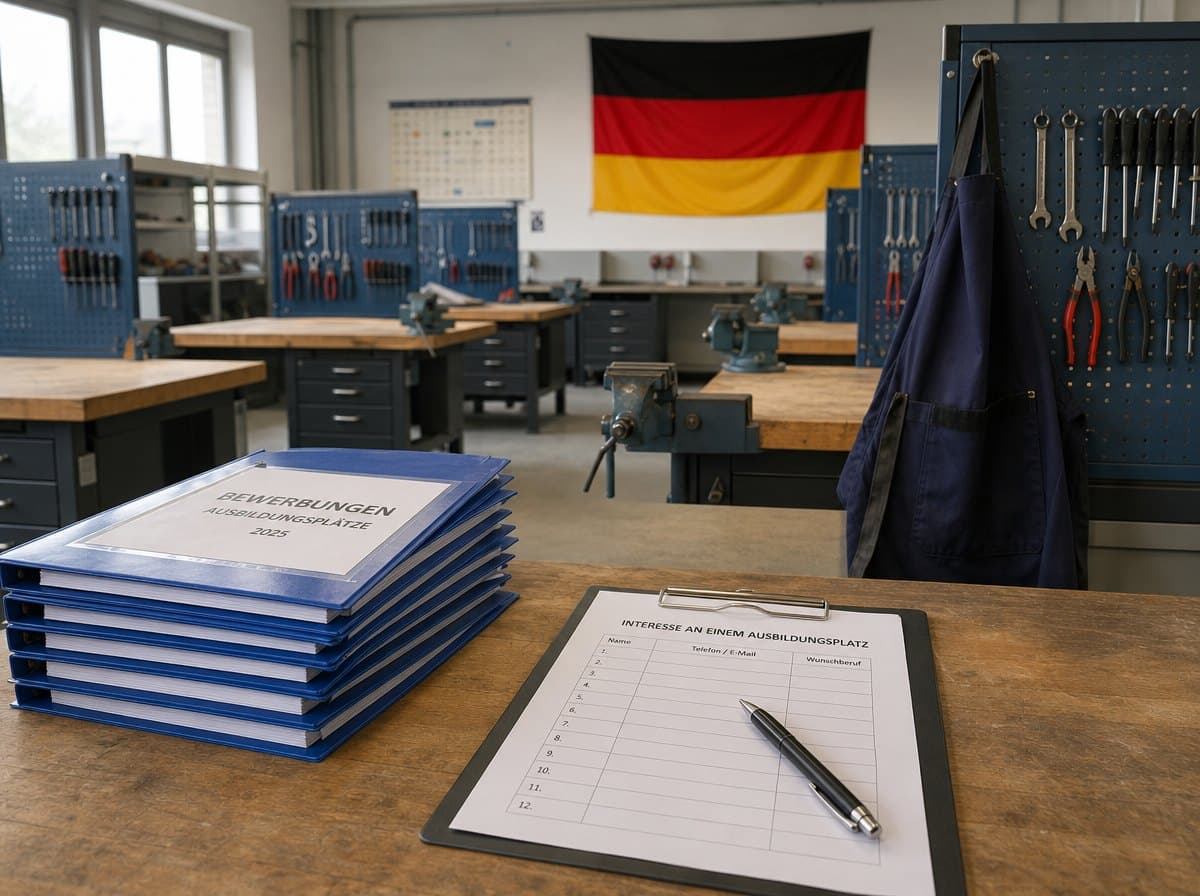
Germany's chambers of commerce just published their 2026 Vocational Training Survey, and the headline number is stark. Nearly half of the companies surveyed, 49 percent, could not fill all their apprenticeship positions in 2025. Ten years ago that figure was 31 percent. It has climbed almost every year since, and it just hit a record.
If you are planning an Ausbildung application from India, that statistic alone is worth sitting with. But the part of the survey that matters more for you is buried a bit deeper, in a section the DIHK calls a spotlight on trainees from outside the EU.
The survey asked employers directly about hiring from abroad
The DIHK, Germany's national chamber of commerce association, ran this survey between May 11 and May 29, 2026, and got responses from just over 14,000 training companies. One section asked employers point blank how they see apprentices from outside the EU.
More than half said they view these candidates as a genuine opportunity to secure skilled workers, not a workaround or a last resort. About a third of companies said they had already tried recruiting someone from outside the EU. Of those, nine out of ten said it worked.
That last number is the one I keep coming back to. Companies that actually try this route succeed at it almost every time. The problem isn't that German employers are reluctant once they commit. It's that most haven't committed yet, and the survey tells you exactly why.
The obstacle they name most is not paperwork
When the same companies were asked what got in the way, the top answer wasn't a visa delay or a missing document, though bureaucracy did show up. The primary issue employers cited was that apprentices arrived without enough German to function on day one of training. Housing was the second recurring problem, especially in cities like Berlin and Hamburg where nine in ten training companies say affordable housing for apprentices is genuinely hard to find.
Put those two findings together and you get a clear picture. German companies are not closed off to hiring from India, Vietnam, or elsewhere outside the EU. Over half already see it as a strategy worth pursuing. What stops the other half from moving past intention into an actual signed Ausbildungsvertrag is that the applicants in front of them are not ready to start on the first day of Berufsschule.
This lines up with something we've written about before: the B1 certificate that clears your visa interview is often quietly different from what an employer expects once training starts. This new survey is the employer side of that same gap, described in their own words.
The pay floor went up too
Separately from the survey, Germany's Federal Institute for Vocational Education and Training set new minimum training wages for anyone starting an Ausbildung in 2026. First year trainees are now guaranteed at least €724 a month, up from €682, an increase of just under 6.2 percent. The floor rises to €854 in year two, €977 in year three, and €1,014 in year four.
Those are legal minimums, not typical pay. Companies bound by collective agreements paid an average gross training allowance of €1,133 a month across all years back in 2024, and fields with acute shortages, nursing among them, often pay well above that. The wage increase matters less as a headline number and more as a signal: the government keeps raising the floor because the shortage is real enough to require it.
What this actually changes if you're applying from India
The opportunity described in this survey is not hypothetical. It is measured, current, and coming from the employers themselves. A few things worth doing with that information:
- Treat your German level as the thing that decides whether an employer moves you from a maybe to a signed contract, not just whether you clear the visa office. B1 is the legal floor. Employers surveyed here are telling you, in aggregate, that it's often not enough on day one.
- Ask specifically whether a training company has hired from outside the EU before. The survey's nine in ten success rate suggests companies that have done it once tend to keep doing it, which means they've already built the onboarding and support that first timers usually lack.
- Start your German study early enough that you're not cramming a certificate the month before you leave. If you want a realistic sense of how many hours that actually takes, we broke down the real study time behind reaching B1, and it's considerably more than most course ads suggest.
- Research housing in your target city before you accept a placement. It's the second most cited barrier for a reason, and it hits applicants from outside the EU hardest since they usually arrive without a local network to lean on.
None of this changes the legal minimum for your visa. It changes how competitive you are once you're one of many applicants a training company is choosing between, which, according to their own survey, is now happening less often than employers would like.
At Germanly, this is the exact scenario we build learners toward: not a certificate that satisfies an embassy checklist, but German that holds up on a factory floor, in a hospital ward, or in a Berufsschule classroom on week one. The seats are open right now. The survey says so, in the employers' own numbers. What decides who fills them is largely still down to preparation, not luck.
Start your own German story
A1 to B2 — vocabulary, grammar, real audio and AI feedback. First three lessons free.